Therapy for Childhood and Relational Trauma

(because the past doesn’t just disappear when we want it to)

In-person in Houston, TX | Virtual across Texas

You might not call it trauma. Just a regular Tuesday for you. But it shows up in your body, your self-confidence, your relationships, and in the way you talk to yourself. It’s the constant second-guessing. The guilt for saying no. The survival mode that never seems to turn off.

It’s not always the big dramatic moments that shape us. Sometimes, it's invisible accumulation of the quiet experiences that slowly teach your body what to expect from the world. The times you weren’t seen, weren’t protected, or had to tone yourself down to be loved. Over time, those experiences teach your body that safety means staying small, agreeable, or invisible.


So you adapted. You learned to read the room before you spoke. To anticipate other people’s moods before your own. You became the one who could handle it all (because someone had to). You stayed busy or “fine” to keep the peace. You got really good at hiding your needs (because being “too much” never felt like an option. Probably someone else already had the role.). And while those survival strategies protected you back then, they are not working anymore quite as well anymore.


Some people call this complex trauma, developmental trauma, or CPTSD (in case you want to Google it or curate your social media algorithm). Others call it attachment trauma aka your body learning to brace itself before your brain had the right words to make sense of it.

Healing isn’t about rehashing the past. It’s about beginning to notice those patterns instead of being ruled by them. It’s understanding why you move through the world the way you do and giving yourself space to try something different. A way that feels fully your own and makes your feel hella good about yourself and your life.

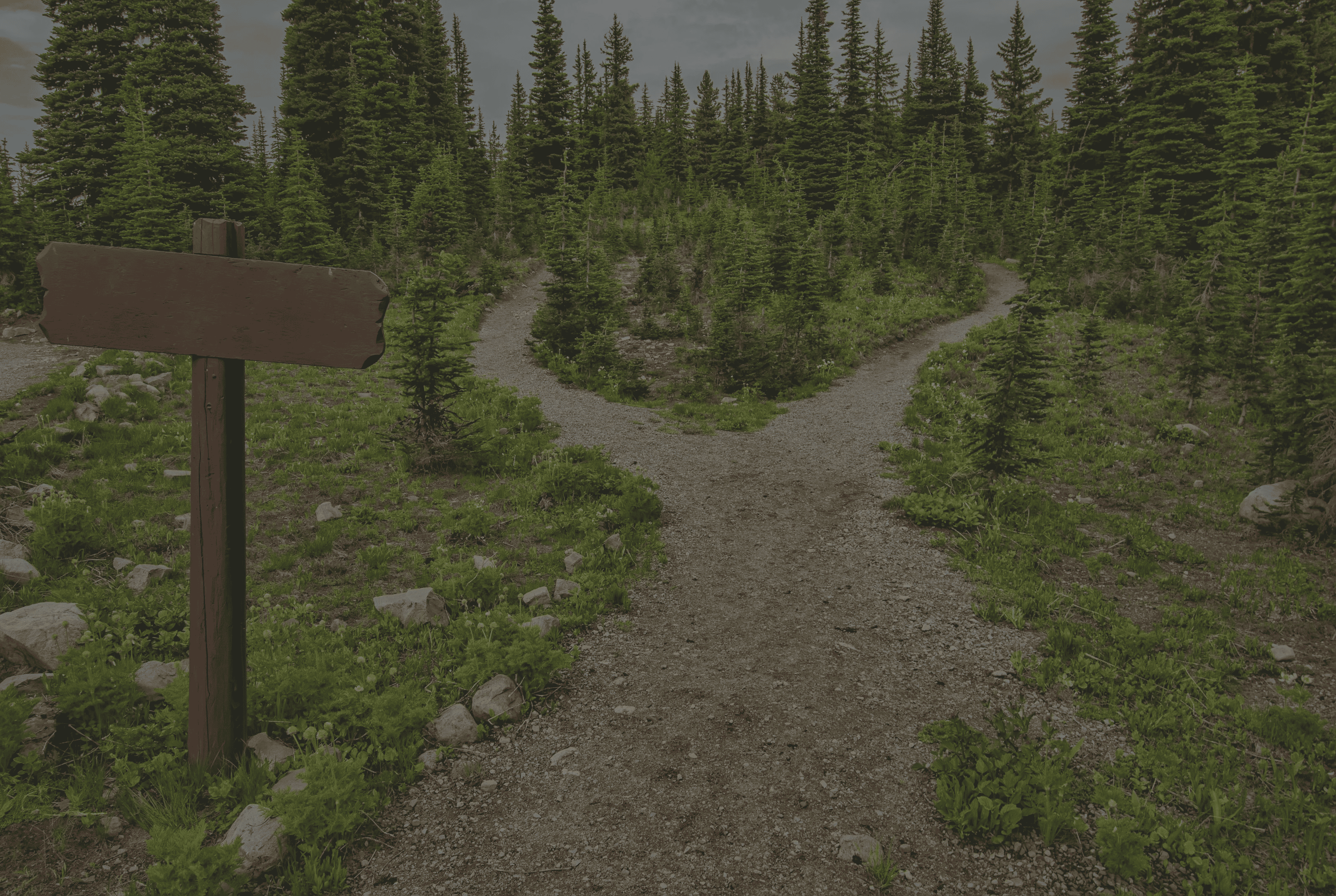
A fork in dirt road with a forest behind

It may feel scary.
Or maybe you don’t even know where to start.
You’ve lived from this learned version of yourself for so long that it’s hard to imagine who you’d be without it. But that’s what this space is for. When you’re ready, we’ll find out together

let's talk
Relational trauma shows up in so many ways. sometimes as perfectionism. sometimes as emotional disconnection. If either of those sound like you, you can read more about therapy for PERFECTIONIST women or therapy for men who feel stuck behind a masK.

You learned to keep love by losing pieces of yourself. It worked. It got to the point it felt normal to do. You may not even realize how much you self-abandon anymore.

You became so good at reading others that you stopped hearing yourself. You learned to sense tension in the room before anyone said a word. You stayed a good little girl/a good little boy while something in you quietly braced. You performed calm, competence, and care even when you did not feel like that inside. Sometimes you didn't even realize how empty you felt inside. From the outside, you looked grounded and capable. Inside, you were tired. Not the kind of tired sleep can fix, but the kind that comes from always being “on.”

That’s what relational trauma feels like. Always managing, monitoring, adjusting. Always scanning for danger while craving closeness. Wanting connection but never fully relaxing into it. Healing comes from understanding that love doesn’t require disappearing. Learning how to love others but also yourself. Healing means beginning to trust that who you are, as you are, is enough.

a Hispanic woman sitting in front f a laptop with a cup of coffee on the table

What healing looks like here

Calming your nervous system so you don’t feel hijacked by stress or shame (instead of spiraling after one small trigger).
Learning to trust yourself and stop abandoning your own needs.
Breaking the cycles of control, perfectionism, and people-pleasing.
Building relationships where you actually feel safe and chosen.
Developing a sense of self that feels steady, not dependent on others’ approval.
Who I work with // I specialize in working with
Those who know they learned to be this way a long time ago but aren’t sure how to stop.
Those who can see the patterns (the caretaking, the overthinking, the constant holding it together), yet still feel stuck in them.
Those who believe this is the only way to operate in relationships, even though it never quite feels like what they want.
Those who move through life on autopilot, only to realize later that the choices they made weren’t truly their own.
Adults who have spent years keeping the peace, performing stability, or trying to earn love by doing everything right.
Those who want to reconnect with their bodies and finally feel safe being themselves again. Not the version others expect, but the version that feels real.
Adults healing from childhood emotional neglect, attachment wounds, or family enmeshment.

There is a way to love just as fiercely without abandoning yourself.

Ready to learn how to balance love for yourself and love for others?
Let’s do the damn work, then.

I offer individual therapy in Houston and throughout Texas via telehealth.
FAQ

You ask, we answer

Still have questions?  Check our FAQ page
Do we just talk about childhood the whole time?

No. We’ll talk about it only as much as it helps us make sense of what’s happening now. The real work is in the present: how you relate, how you cope, how you see yourself.

What if I don’t remember much from my childhood?

That’s okay. We don’t need perfect memories to do this work. What you feel and how you move through the world already paints the picture. We can start with what you notice now (your reactions, your triggers, your patterns) and follow those threads. This is where the whole “your body remembers” comes into play.

What if therapy feels too overwhelming?

Look, I’m a ride-or-die for the long run kind of therapist. We are not rushing anything. The goal is to teach your body safety. So we will go at a pace that feels exactly like that. Healing doesn’t happen by pushing harder. It happens when your body finally believes it doesn’t have to fight or shut down anymore.

Can things really change after all these years?

Yes. I see it every day. The nervous system is built to adapt and heal. It just needs a consistent, safe space and support that’s unconditional. I’m ready if you are.

If you’re ready to stop abandoning yourself, then let’s get started.